

The Team
-

Judith Dekkers
Founder and Director of Kumbe. Judith has over 25 years of experience in IT and project & operations management. Both in Europe and in Africa. For the last 5 years her focus has been on IT solutions for data collection, analysis and reporting for nature conservation organizations. She hold a MSc in Applied Mathematics from the University of Twente (NL). She moved to Arusha because she feels that the real impact can be made here.
-

Enock Chengullah
Director Enock Chengullah is an expert on natural resources and development. He is both a naturalist and social scientist who holds MSc CED (OUT); BA Sociology (OUT); BSc Zoology (UDSM); Dip – Wildlife Management (MWEKA). Possess significant experience in community mobilisation and community training facilitation, planning and hosting international exchange programs.
-

Ardgard Essau Mwamgeni
Ardgard Essau Mwamgeni is an explorer, photographer, and herpetologist dedicated to surveying Tanzania's forests, with a special focus on the Eastern Arc Mountains. He holds a Bachelor of Science in Wildlife Science and Conservation from the University of Dar es Salaam. Mwamgeni is expected to complete his Master's degree early 2026, further solidifying his expertise in biodiversity research and conservation.
-

John Lyakurwa
John Lyakurwa is an assistant lecturer in the Department of Zoology and Wildlife Conservation at the University of Dar es Salaam in Tanzania, and received an M.Sc. in life sciences from the Nelson Mandela African Institution of Science and Technology. He has taken part in various field-based projects studying herpetofauna throughout Tanzania.
-

Pius Silas Mollel
Pius Silas Mollel is a young Tanzanian herpetologist. He has completed his Bachelor’s degree in Wildlife Science and Conservation at the University of Dar es Salaam. Currently, he is furthering his expertise through a Master’s degree program in Wildlife Ecology at the University of Dar es Salaam and his thesis is on the distribution and breeding ecology of the Ukaguru spiny-throated reed frog.
-

Yusuph Abdallah Wilangali
Yusuph Abdallah Wilangali is a laboratory scientist and herpetologist at the Department of Zoology and Wildlife Conservation, University of Dar es Salaam. Currently pursuing an MSc in Wildlife Ecology, his research explores the taxonomy, population status, and roosting ecology of Uluguru pygmy chameleons. Yusuph also has contributed to studies on bats, birds and mammals, underscoring his versatility and dedication to biodiversity conservation.
-
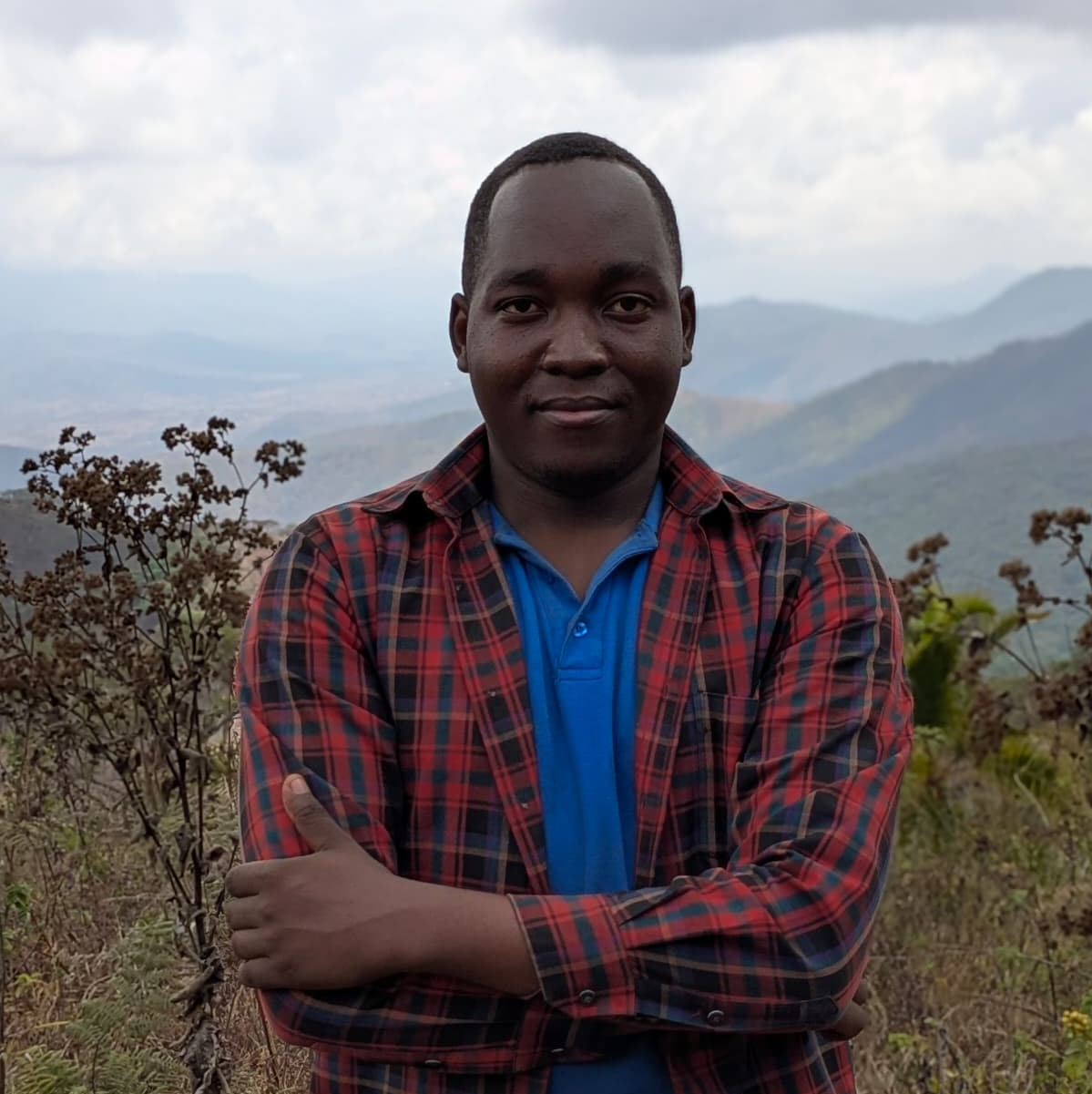
Elwyny Elias Malipesa
A passionate and dedicated conservationist, a holder of a Bachelor of Science in Wildlife Science and Conservation from the University of Dar es Salaam. National research winner for Quarry Life Awards 5th edition. Committed to exploring nature and applying innovative technology in conservation. As well as, communicate findings to the local community for engagement in conservation of wildlife resources.
-
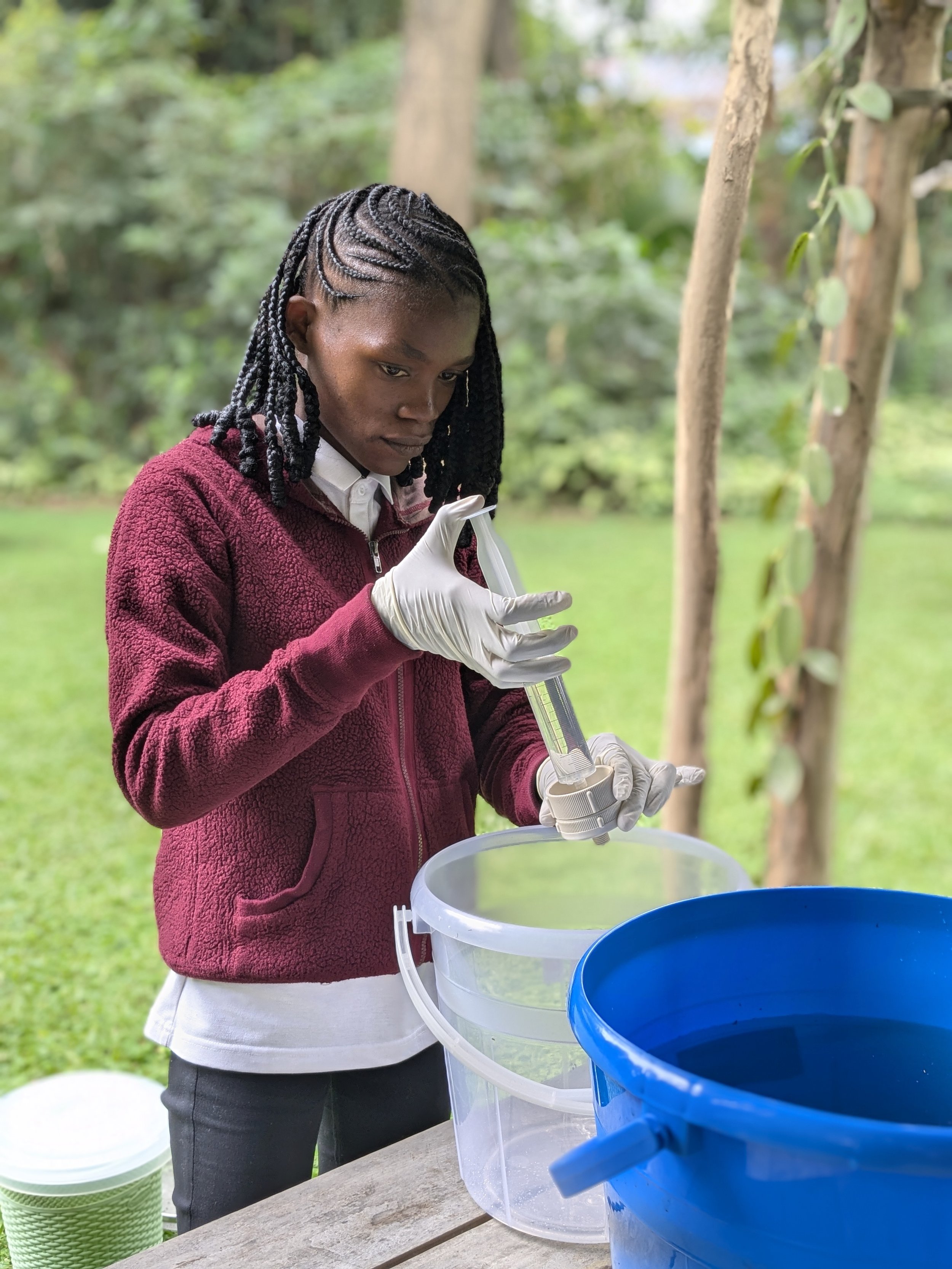
Neema Fidelis Mwenda
Holder of bachelor in Wildlife Science and Conservation from the University of Dar es Salaam, Neema’s goal remains to strengthen skills within wildlife research and field methods, supporting evidence-based conservation programs that safeguard biodiversity and enhance ecosystem health.
-
Msolo Credo Dominick
Dominick is a Tanzanian molecular biologist and researcher specialising in molecular diagnostics, vector biology, infectious disease research and eDNA. Dominick has extensive laboratory and field experience in molecular techniques including DNA and RNA extraction, qPCR diagnostics, and genetic data analysis.
-
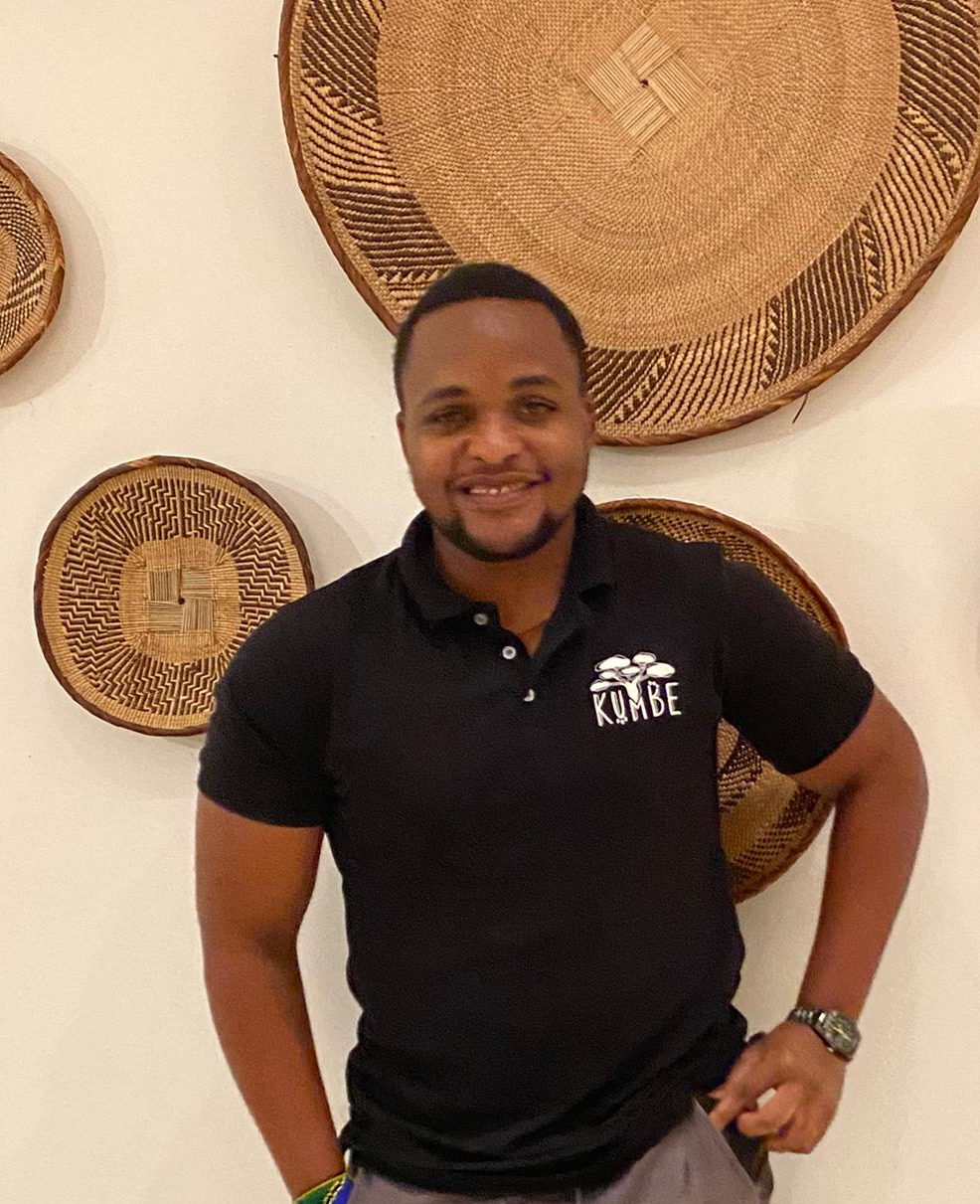
Locken William Mollel
Mollel is a molecular biologist specialising in sequencing, bioinformatics, and conservation biostatistics. He is completing his MSc in Molecular Biology and Biotechnology at Sokoine University of Agriculture, with expertise in PCR optimisation, NGS library preparation, and phylogenetic analysis. His work bridges laboratory genomics and quantitative data analysis for biodiversity monitoring and evidence-based conservation in Tanzania.
Team of advisors
-

Massimo Delledonne
Professor of genetics and genomics at University of Verona, Italy. A pioneer in on site DNA barcoding for species identification, he specialises in eDNA sampling and analysis.
-
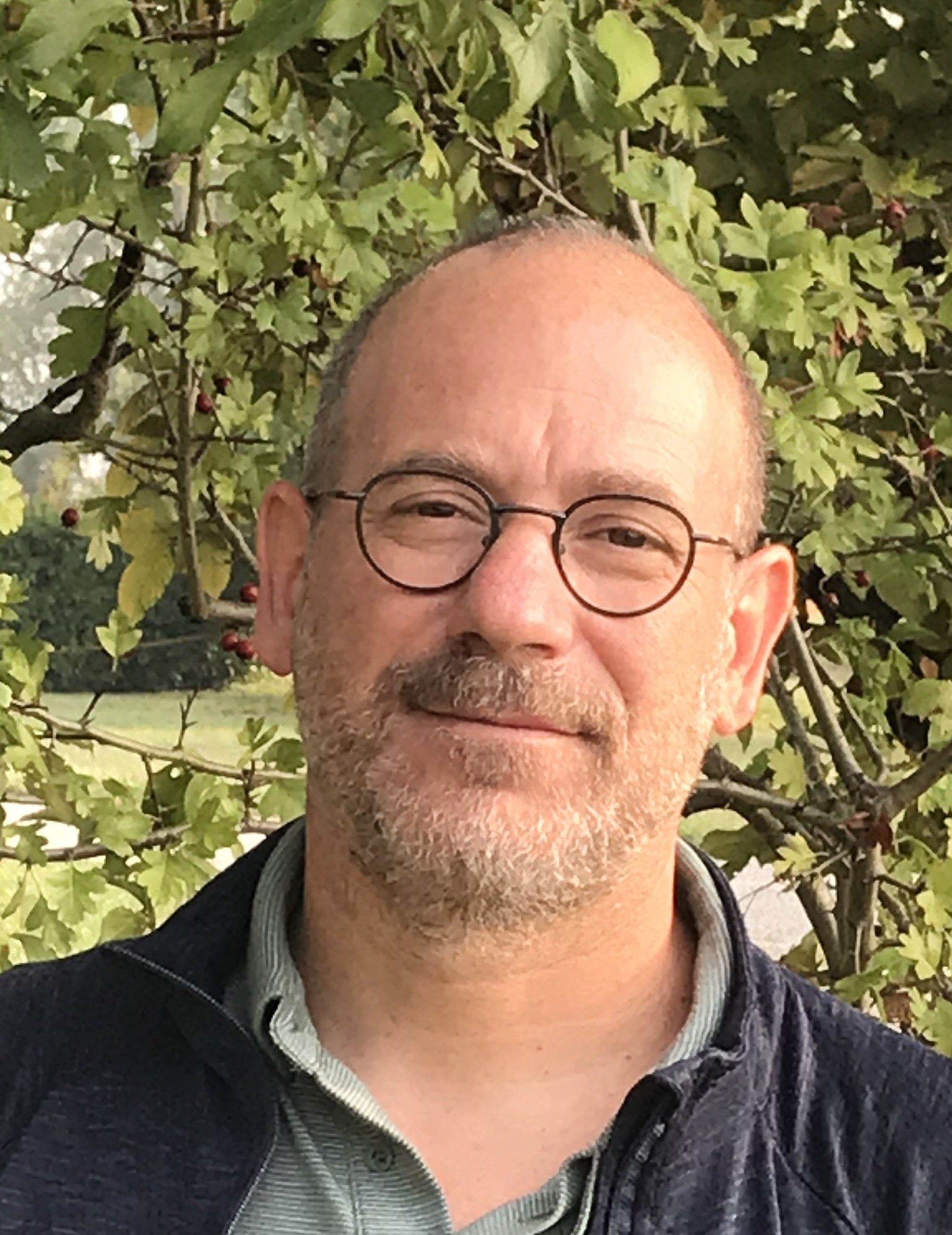
Michele Menegon
Biologist and conservationist known for his work on East African biodiversity. He has been involved in biological exploration and groundbreaking projects, such as using advanced genetic sequencing technologies in the field to analyze DNA samples in real-time.
-

Hugo Koopmans
Managing partner and Chief Datascience & AI at DIKW Intelligence in the Netherlands. Hugo holds a master degree in mechanical engineering from Technical University of Eindhoven. He has more than 25 years experience in the field of statistical data analysis, now called data science or Artificial Intelligence. Hugo is passionate about nature and data and focused on creating value where the two domains meet.
-

Andrea Bianchi
Andrea Bianchi is an Italian botanist. After a degree in natural sciences, he started working for MUSE - the Science Museum of Trento, Italy. At MUSE, he recreated a section of submontane forest of the Udzungwa Mountains in a tropical greenhouse. He collaborates with the Udzungwa Ecological Monitoring Centre on taxonomic research (ongoing) and studied the impact of poaching and wildlife depletion on the floristic composition and dynamics of the Eastern Arc rainforests. Since 2021, he has been living in Tanzania, focusing on the botanical aspects of various reforestation projects, particularly on species selection, seed collection, storage, and germination.
-
Chris Barratt
Chris gained his PhD at the University of Basel Switzerland in 2017, assessing the biodiversity and conservation of East African coastal forest amphibians. He has lived and worked across Tanzania on several occasions since his first visit in 2004 and still holds a deep connection to the country, its people and biodiversity. Now based in the Netherlands as a researcher at the Centre for Genetic Resources (Wageningen University and Research) he uses genomics and modelling to categorise and protect threatened biodiversity, in Europe, Africa and other tropical regions. He recently established an eDNA project to monitor biodiversity in the Netherlands and is keen to apply it to projects in Tanzania, and to promote and empower local scientists to lead the way forward for these efforts in their own countries for years to come.
-
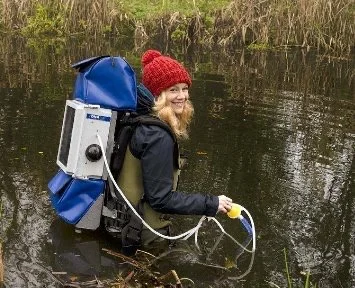
Kathryn Stewart
Kathryn is an Associate Professor at Leiden University whose research focuses on the development and implementation of cutting-edge eDNA tools to monitor and manage biodiversity across a wide range of habitats and countries. She earned her PhD at Queen’s University in Canada and have since built an international research portfolio working in Canada, USA, China, and the Netherlands to design, optimize, and apply innovative molecular approaches for conservation. Her work has pioneered new eDNA methodologies, informed biodiversity policy, and been adopted by government agencies, NGOs, and protected-area managers. Together, this reflects her strong commitment to impactful, applied science. Having worked across multiple cultures, ecosystems, and governance contexts, she is passionate about ensuring that knowledge, training, and data ownership remain in the hands of local people. She actively builds capacity by mentoring early-career researchers, collaborating with diverse stakeholders, and developing citizen science protocols and large public engagement initiatives to democratise access to environmental data and empower communities to participate in biodiversity stewardship.